

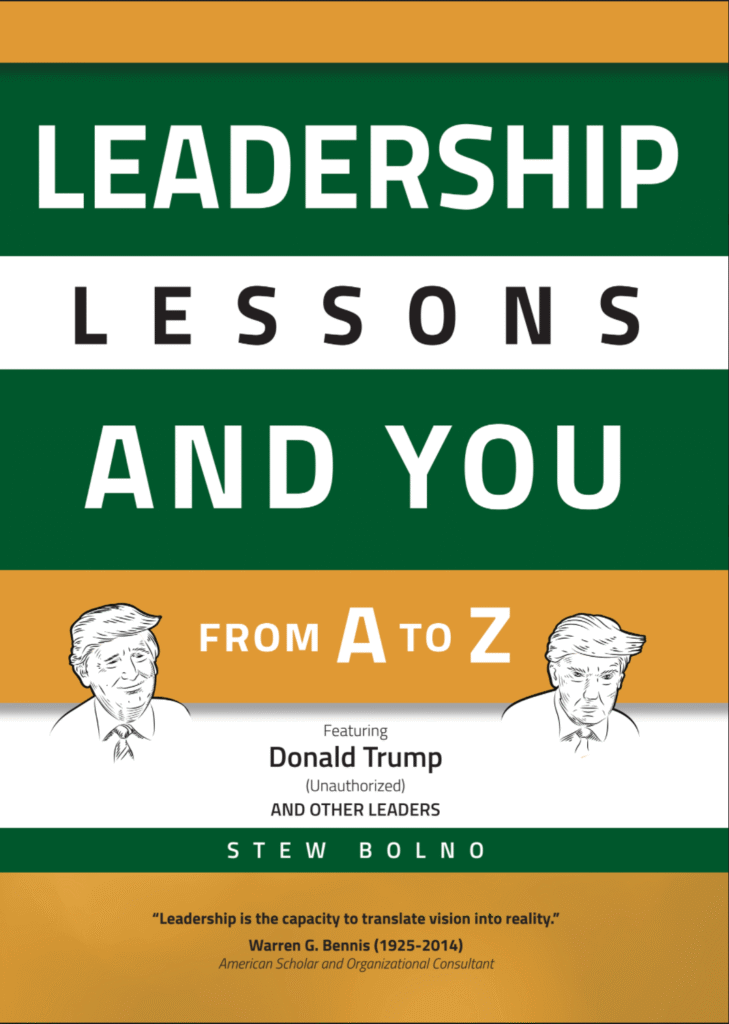
Great leaders are not born they are built. And more often than not, they are built with the help of an executive leadership coach. Whether you are a seasoned CEO or a first-time manager stepping into a bigger role, coaching can be the single most powerful investment you make in your professional life.
In today’s fast-moving business world, technical skills alone are not enough. The ability to lead people, manage pressure, and make clear decisions under uncertainty that is what separates good leaders from truly great ones.
What Is an Executive Leadership Coach and Why Do You Need One?
An executive leadership coach is a trained professional who works one-on-one with leaders to help them grow — not just professionally, but personally too.
Think of it this way: even the world’s best athletes have coaches. Not because they are weak, but because an outside perspective helps them see what they cannot see on their own.
Signs You Might Be Ready for Executive Coaching
- You feel stuck despite being successful
- Your team is not performing the way you expected
- You are stepping into a new senior role
- You struggle to communicate your vision clearly
- Work-life balance feels completely out of reach
If any of these sound familiar, an executive leadership coach might be exactly what you need.
How Executive Coaching Actually Works
Many people imagine coaching as motivational talks or vague advice. It is much more than that.
A good coach starts by understanding where you are today your strengths, blind spots, leadership style, and the specific challenges you face. From there, they build a plan tailored entirely to you.
The Coaching Process, Step by Step
1. Discovery & Assessment Your coach uses tools like 360-degree feedback, personality assessments, and in-depth conversations to get a full picture of your leadership profile.
2. Goal Setting Together, you define clear, measurable goals. Not just “become a better leader” — but specific outcomes like improving team trust, managing conflict better, or preparing for a board-level role.
3. Regular Sessions Coaching sessions — usually bi-weekly or monthly give you a dedicated space to reflect, problem solve, and stay accountable.
4. Real-World Application The real work happens between sessions. You apply what you have discussed, face real challenges, and bring those experiences back to your coach.
The Real Benefits of Working With a Leadership Coach
This is where things get concrete. Research from the International Coaching Federation (ICF) shows that 86% of companies report a positive return on investment from executive coaching. Here is what leaders typically gain:
- Sharper self-awareness — You start to understand how your behavior impacts others
- Better decision-making — You learn frameworks for thinking clearly under pressure
- Stronger communication — You learn to say the right thing at the right time
- Increased confidence — Especially useful when moving into unfamiliar territory
- Greater team performance — When you lead better, your team performs better
Leadership development through coaching is not a one-size-fits-all solution. But when matched with the right coach, the results speak for themselves.
How to Choose the Right Executive Leadership Coach
Not every coach is the right fit for every leader. Here is what to look for:
Credentials and Experience
Look for certifications from recognized bodies like the ICF. More importantly, find someone with real experience working with leaders at your level.
Industry Relevance
A coach who understands your industry can connect the dots faster. They speak your language and understand your pressures.
Chemistry
This is often overlooked. You need to feel comfortable enough to be honest. A good coaching relationship is built on trust, not just credentials.
Coaching Style
Some coaches are direct and structured. Others are more reflective and exploratory. Know what you need before you begin.
Frequently Asked Questions
Q: How long does executive coaching typically last? Most coaching engagements last between 3 to 12 months, depending on your goals. Some leaders continue coaching on an ongoing basis as their careers evolve.
Q: Is executive coaching only for people who are struggling? Not at all. Many of the most successful leaders in the world use coaching proactively to stay sharp, navigate transitions, and continue growing.
Q: How is an executive coach different from a mentor or consultant? A mentor shares their own experience. A consultant gives you answers. A coach asks the right questions so you find your own answers which tends to stick much longer.
Conclusion: Your Next Level Starts Here
If you are serious about growing as a leader, working with an executive leadership coach is one of the most strategic decisions you can make. It is not about fixing what is broken it is about unlocking what is possible.
The best time to start was yesterday. The second best time is now.
Ready to take your leadership to the next level? Explore our coaching programs and book a free discovery call today.