

Great leaders aren’t simply born knowing how to lead. That ability gets built through experience, honest reflection, real feedback, and deliberate practice over time.
That’s exactly why so many executives and senior professionals end up working with an executive leadership coach. A good coach brings an outside perspective, helps surface blind spots you genuinely can’t see on your own, sharpens decision-making, and creates real accountability for change that actually sticks.
Whether you’re a newly promoted executive, a seasoned CEO, a senior manager, or someone gearing up for a bigger leadership role, executive coaching offers a structured space for real professional and personal growth.
But what does an executive coach actually do, day to day? Who genuinely benefits from this kind of work? And how do you know if coaching is actually the right move for you?
This guide walks through how executive leadership coaching actually works, the skills it tends to build, and what to think about when picking the right coach.
What an Executive Leadership Coach Actually Is
An executive leadership coach works with executives, senior managers, and up-and-coming leaders to sharpen their leadership effectiveness and overall professional performance.
Rather than just telling someone what to do, a coach helps them actually examine their own behavior, their assumptions, their decisions, their communication habits, and their goals, the stuff that’s genuinely hard to see clearly from the inside.
A coach might help a leader:
- Identify strengths and genuine blind spots
- Improve how they communicate
- Build real self-awareness
- Make sharper decisions
- Strengthen emotional intelligence
- Navigate genuinely hard conversations
- Build stronger executive presence
- Manage conflict more effectively
- Improve their own accountability
- Prepare for a bigger leadership role
- Lead well through organizational change
This relationship is usually personalized. Coaching centers on the actual challenges and goals of that specific individual, rather than applying some one-size-fits-all leadership formula across the board.
What Does an Executive Coach Actually Do?
People sometimes lump executive coaching in with consulting or mentoring. There’s overlap, sure, but the roles are genuinely different.
A consultant typically gets brought in to provide expertise and hand over recommendations. A mentor tends to share knowledge and lessons drawn from their own personal experience. A coach, on the other hand, helps a leader examine situations, ask sharper questions, weigh their options, and take real ownership of putting changes into practice themselves.
An executive coach might work with a leader on things like:
-
Building Real Leadership Self-Awareness
Leaders don’t always see how their own behavior actually lands with other people.
A leader might genuinely believe they’re being decisive, while their team experiences that same behavior as dismissive. Another executive might think they’re giving employees freedom, while what the team actually needs is clearer direction.
Coaching creates a space to actually examine that gap between intention and real-world impact — a gap most people can’t see clearly on their own.
-
Strengthening Decision-Making
Executives make decisions constantly without having perfect information, that’s just the nature of the job.
A coach can help a leader slow down when it actually matters, surface hidden assumptions, weigh real alternatives, and think through the consequences of different choices before acting.
The goal was never eliminating uncertainty entirely; that’s not realistic. It’s becoming more thoughtful and more confident while making decisions under that uncertainty.
-
Improving Communication
Leadership communication involves a lot more than just speaking clearly.
Effective leaders also need to listen well, ask genuinely useful questions, explain expectations without ambiguity, give real feedback, deliver hard decisions, and adjust their message depending on who’s actually in the room.
Coaching can surface communication habits that might be quietly limiting a leader’s effectiveness habits they’ve never had reflected back to them before.
-
Building Real Accountability
Good intentions don’t automatically produce results, everyone knows this, but it’s still easy to fall into the trap.
One of the genuinely valuable parts of coaching is the accountability structure itself. A leader identifies a goal, commits to a specific action, and then actually has someone checking in on the progress — not just letting it quietly slide.
That structure makes it a lot easier to turn leadership ideas into real, lived behavior instead of good intentions that never quite happen.
How Executive Coaching Actually Works
Executive coaching is typically shaped around the individual leader’s situation, but most coaching relationships follow a fairly similar overall process.
1. Discovery and Assessment
The process usually starts by getting a clear picture of the leader’s current situation, conversations covering current responsibilities, leadership strengths, real challenges, career goals, team relationships, communication patterns, organizational expectations, and areas that genuinely need work.
Some coaching programs also bring in formal assessments or 360-degree feedback to add outside perspectives to the picture.
None of this is about slapping a label on the leader. It’s about building a clearer, more honest picture of where they actually stand right now.
2. Setting Real Goals
Once the situation is genuinely understood, the leader and coach nail down specific goals together.
Instead of something vague like “I want to become a better leader,” a much more useful goal looks like: “I want to get better at handling hard conversations with senior team members.”
Specific goals make progress a lot easier to actually recognize and evaluate honestly, instead of just feeling vaguely “better” over time.
3. Regular Coaching Sessions
Sessions typically happen weekly, biweekly, or monthly, depending on what the individual actually needs.
Conversations tend to center on current leadership challenges, real decisions the leader’s wrestling with, relationships, communication, and progress against the goals already set. The most genuinely valuable conversations are usually tied directly to whatever the leader’s actively dealing with right now, not abstract theory.
4. Real-World Application
The work doesn’t stop the moment the session ends.
A leader often walks away with a specific action to take before the next one having a hard conversation, delegating something important, asking a team member for honest feedback, restructuring a meeting, clarifying expectations, practicing active listening, or reconsidering a decision through a different lens.
That real-world experience then gets discussed in the following session, creating a genuinely practical loop:
Learn → Apply → Reflect → Get Feedback → Adjust → Repeat
That loop is exactly where leadership development stops being an idea and actually becomes a habit.
What Leadership Skills Can Coaching Actually Build?
Executive coaching can touch on a wide range of leadership capabilities; the exact focus really depends on the individual and what they’re working through.
1. Emotional Intelligence
Emotional intelligence means understanding your own emotions while also picking up on how other people might be experiencing a given situation.
For leaders, this shapes communication, conflict management, relationships, and decision-making, often more than people expect. A coach can help a leader recognize their own emotional triggers and build better responses for genuinely stressful moments, rather than reacting on autopilot.
2. Executive Presence
Executive presence tends to be associated with confidence, credibility, composure, communication, and a genuine ability to influence others; it’s not simply about being the loudest voice in the room.
A leader with real executive presence can explain ideas clearly, stay composed under real pressure, listen carefully, and build genuine confidence among colleagues and stakeholders. Coaching helps leaders understand exactly how their own communication and behavior are actually being perceived which is often quite different from how they imagine it.
3. Strategic Thinking
Senior leaders have to look past today’s fires. Strategic thinking means understanding real priorities, spotting patterns, weighing long-term consequences, and connecting everyday decisions back to broader organizational goals.
A coach can help executives step back from constant operational demands long enough to actually think seriously about where the organization needs to go next, something that’s genuinely hard to do when you’re buried in day-to-day fires.
4. Conflict Resolution
Conflict is basically unavoidable in any organization. Effective leadership was never about eliminating every disagreement, it’s about handling disagreements constructively when they show up.
An executive coach can help a leader prepare for genuinely hard conversations, understand where other perspectives are coming from, communicate concerns clearly, and actually work toward practical solutions instead of just managing the tension.
5. Communication and Influence
Leadership leans heavily on communication executives are constantly talking to employees, peers, boards, customers, partners, and every other stakeholder imaginable.
Coaching in this area often covers active listening, giving real feedback, presenting ideas persuasively, handling hard conversations, communicating change clearly, building genuine trust, and learning to influence people without simply leaning on formal authority.
6. Accountability and Delegation
Leaders often struggle with delegation because they genuinely believe they can just do the task faster themselves — and honestly, they’re often right in the moment.
But constantly doing everything personally creates its own problem: the team never actually builds the skills and confidence they need to take on more responsibility. Real, effective delegation gives people genuine ownership while freeing the leader up to focus on higher-level priorities that actually need their attention.
An executive coach can help a leader spot exactly where they’re holding onto responsibilities that could genuinely be handed off to someone else.
Who Actually Benefits From Executive Coaching?
Executive coaching isn’t reserved for leaders who are struggling it also genuinely benefits high-performing professionals gearing up for their next level of responsibility.
You might genuinely benefit from coaching if you’re:
- A newly promoted executive: Moving into a senior role usually means changing how you actually work. The skills that made you successful as an individual contributor often aren’t enough once you’re responsible for an entire team or organization.
- A first-time manager: New managers frequently discover that managing people requires a completely different skill set from whatever made them good at their previous job — delegation, feedback, conflict resolution, coaching, and team development all suddenly matter a lot more.
- An experienced executive: Even genuinely successful leaders develop blind spots over time. An outside perspective helps experienced executives challenge their own assumptions, refine their approach, and keep growing instead of coasting.
- Someone preparing for a major transition: A new company, a bigger role, a merger, an acquisition, or organizational restructuring can all surface brand-new leadership challenges. Coaching gives you a structured space to actually think those challenges through before they hit.
- A high-performing leader who just wants to keep growing: Leadership development doesn’t have to start with a problem. Plenty of professionals use coaching simply because they want to get more effective before they hit a major leadership challenge, not after.
What Are the Actual Benefits?
The specific benefits depend heavily on the leader’s goals and the quality of the coaching relationship itself. That said, common areas of growth tend to include:
- Greater self-awareness
- Stronger communication
- Sharper decision-making
- More genuine confidence
- Improved emotional intelligence
- Stronger relationships across the board
- Better conflict management
- Greater accountability
- More effective delegation
- Overall improved leadership effectiveness
- Better preparation for senior-level responsibility
Probably the most valuable benefit of all, though, is the ability to actually turn awareness into action. Knowing you need to communicate better is useful information. Actually changing how you communicate is worth a lot more than the knowledge alone.
How to Actually Choose the Right Coach
Picking a coach is a real decision, since the relationship genuinely depends on honesty and trust to work at all. Here’s what’s worth weighing.
- Credentials and experience: Look for relevant professional training and recognized coaching credentials, along with real experience working with leaders. That said, credentials alone shouldn’t be the deciding factor when thinking about whether this particular coach actually understands the type of challenges you’re facing.
- Their coaching approach: Ask directly how they typically work. Do they mostly ask questions? Offer frameworks? Use formal assessments? How do they actually set and measure goals? There’s no single style that works for every leader.
- Industry and leadership background: Industry experience can genuinely help when your challenges are highly specialized, an executive in a heavily regulated industry, for instance, might benefit from a coach who actually understands that complexity firsthand. That said, strong coaching skill and broad leadership expertise can sometimes matter more than an identical industry background.
- Chemistry and trust: This might be the single most important factor of all. You need to genuinely feel comfortable discussing hard situations and hearing honest feedback. If you can’t be open with your coach, the whole relationship loses most of its value. A discovery conversation upfront can help you gauge whether it actually feels like a good fit.
- A genuinely clear process. A professional coach should be able to explain exactly how the relationship works — goal setting, session frequency, assessments, how progress gets tracked, confidentiality, expected outcomes, and how long the engagement typically runs. Clear expectations make the whole thing a lot easier to actually evaluate as you go.
Coach vs. Mentor vs. Consultant
Understanding the real difference here can help you figure out what kind of support you actually need.
An executive coach helps you develop your own thinking, behavior, and leadership effectiveness. A mentor shares their own experience, advice, and lessons learned. A consultant provides specialized expertise and concrete recommendations. A trainer teaches specific knowledge or skills directly.
There’s real overlap between these roles at times, but the underlying objective is genuinely different in each case.
If you need someone to tell you exactly how to solve a specific technical business problem, consulting is probably the right call. If you want guidance from someone who’s already walked a similar career path, mentoring can be genuinely valuable. If your real goal is understanding your own leadership behavior and building sustainable change, coaching is likely the better fit.
Coaching vs. Therapy
Executive coaching and therapy are genuinely different forms of professional support, and it’s worth being clear about that distinction.
Coaching generally focuses on present and future goals, professional performance, leadership behavior, decision-making, and development. Therapy focuses on mental health, emotional difficulties, psychological concerns, and other issues that may genuinely require clinical treatment.
There can absolutely be emotional dimensions to leadership coaching. But coaching was never meant to substitute for mental health treatment. A responsible coach should recognize when something falls outside their actual scope of practice, and point the person toward appropriate professional support when it’s genuinely needed.
How Long Does This Actually Take?
There’s no single universal timeline here.
Some leaders work with a coach for a few months around one specific goal. Others keep the relationship going as an ongoing part of their professional development, year after year.
How long it takes depends on the complexity of the goals, the leader’s current responsibilities, how quickly real behavioral change tends to happen for that person, the broader organizational circumstances, and how the coaching itself is structured.
Rather than picking a coaching program purely based on how long it lasts, focus instead on whether the goals and process are actually clearly defined from the start.
Leadership Development Never Really Ends
Working with an executive leadership coach isn’t about becoming a completely different person. The real goal is usually becoming a more effective version of who you already are.
Leadership development requires continuous learning, understanding your strengths, recognizing your own blind spots honestly, practicing new behaviors deliberately, taking in feedback, and adjusting when something clearly isn’t working.
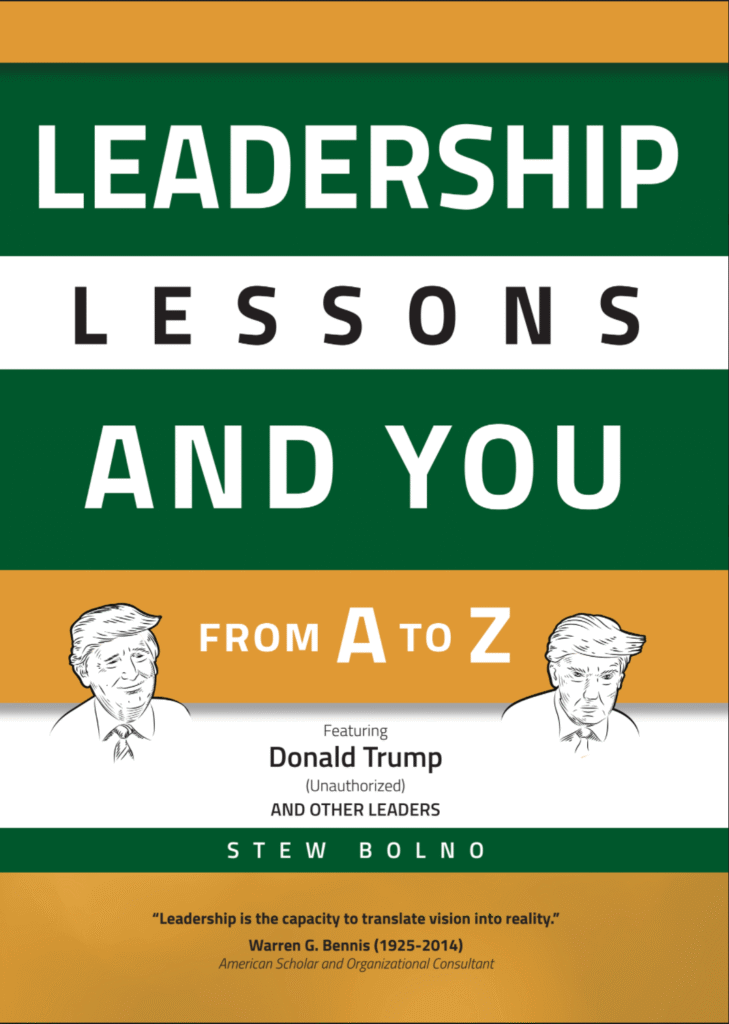
This philosophy connects directly with the ideas explored throughout Leadership Lessons and You: From A–Z, where leadership is treated as an ongoing process built on learning, reflection, character, and personal responsibility.
The book can serve as a useful additional resource for anyone who wants to explore these principles further, beyond the coaching relationship itself.
Taking the Next Step
Leadership growth doesn’t happen by accident.
It comes from actually paying attention to how you lead, understanding how your behavior lands with other people, learning honestly from experience, and deliberately building the skills that greater responsibility demands.
An executive leadership coach can provide the structure, the outside perspective, and the accountability that turns those good intentions into real, meaningful action.
Whether you’re stepping into your first management role, gearing up for the C-suite, navigating major organizational change, or simply committed to becoming a genuinely better leader, the right coaching relationship can help you meet those challenges with a lot more clarity and confidence than you’d have going it alone.
Leadership is a lifelong process. The important question was never whether you’ve already mastered it.
Continue exploring practical leadership ideas, essays, and resources at Leadership Lessons and You.
FAQ
What does an executive leadership coach actually do?
They help leaders build areas like communication, decision-making, self-awareness, emotional intelligence, accountability, strategic thinking, and overall leadership effectiveness.
Is executive coaching only for leaders who are struggling?
No. It genuinely benefits both leaders navigating real challenges and high performers who simply want to keep developing their leadership abilities further.
How is a coach different from a mentor?
A mentor generally shares their own personal experience and advice. A coach focuses on helping the client examine their own situation, identify real goals, work out solutions themselves, and stay accountable for actually taking action.
How long does coaching typically last?
It really varies. Some engagements run a few months; others continue much longer as part of ongoing development. The right length depends entirely on the leader’s own goals and circumstances.
What should I actually look for in a coach?
Weigh their credentials, real experience, coaching approach, understanding of your specific leadership needs, communication style, and their ability to build a relationship genuinely grounded in trust and confidentiality.
Alos Read: What Are Leadership Lessons